Custom design
From measurements and sketches to a print-ready CAD model. A practical starting point for something that does not exist yet.
Design and prototyping come first. Bring a sketch, a sample or a 3D file. We'll review printability, explain the trade-offs and quote before work starts.
From measurements and sketches to a print-ready CAD model. A practical starting point for something that does not exist yet.
Print, test the fit, refine, repeat. Physical models you can hold before you commit, plus short runs without dedicated tooling.
STL, 3MF or STEP, or a link to a model you have the right to have printed. We check orientation, supports and wall thickness first.
Recreate non-safety-critical knobs, clips, covers and fittings when an original is unavailable.
Real problems are a better starting point than another plastic novelty. Here are the possibilities worth exploring.
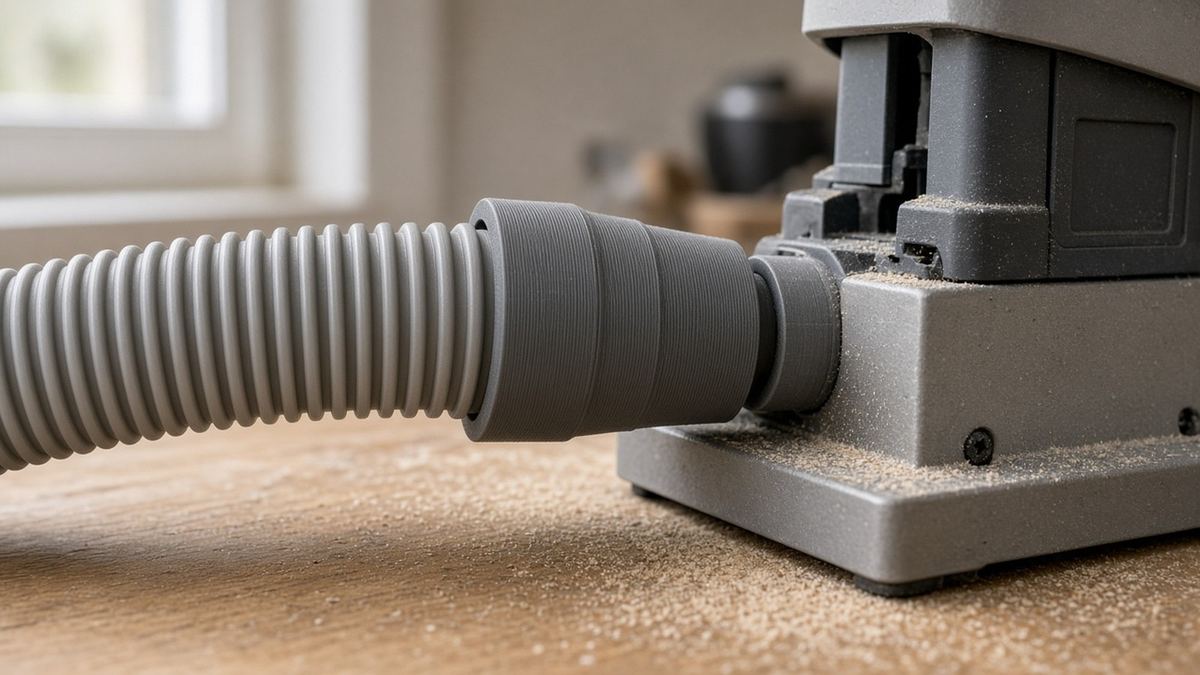
Connect mismatched diameters. Custom sleeves, reducers and dust-hose fittings.
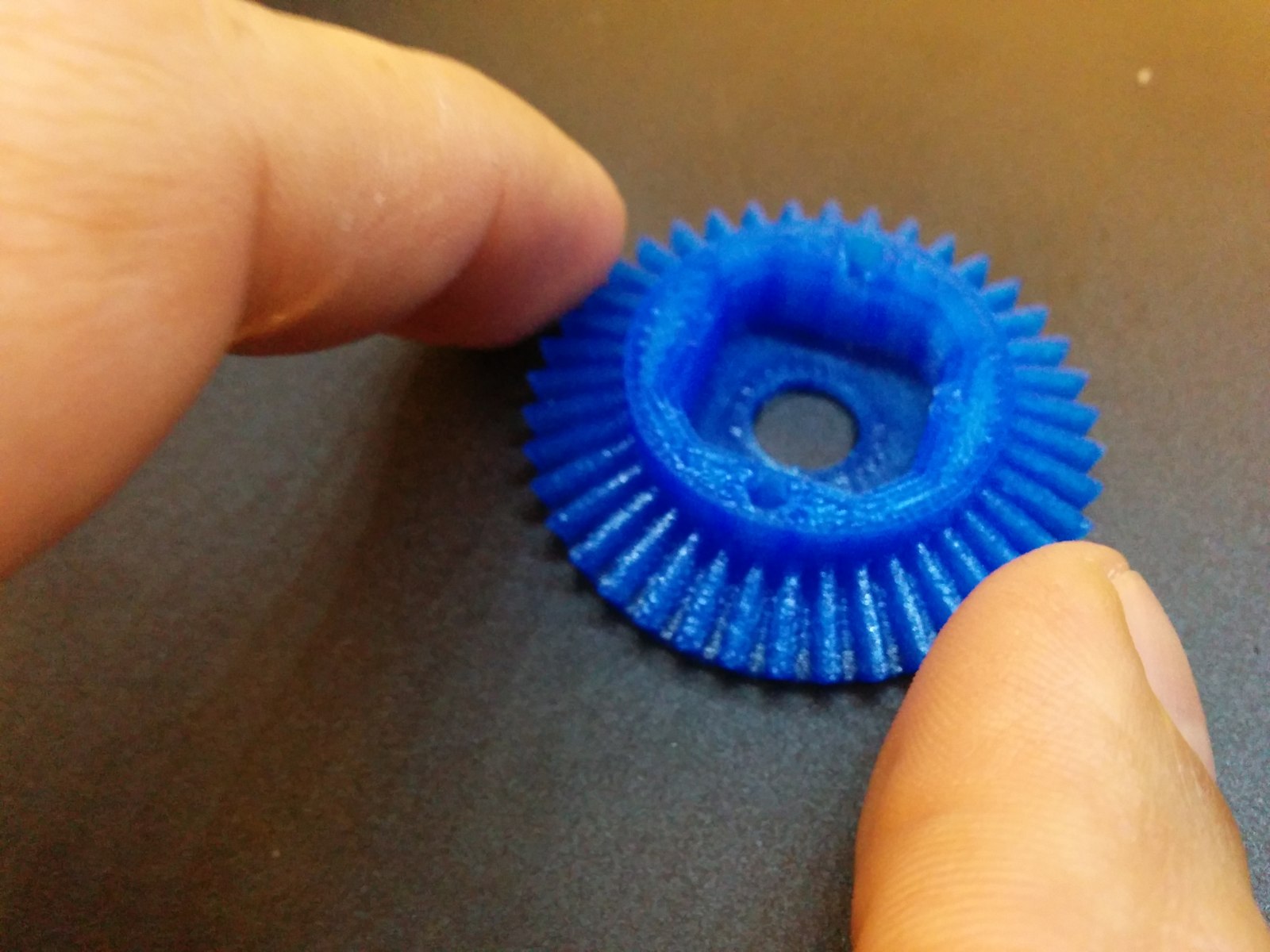
Fit-check gears and mechanical concepts. Not replacement drivetrain parts.
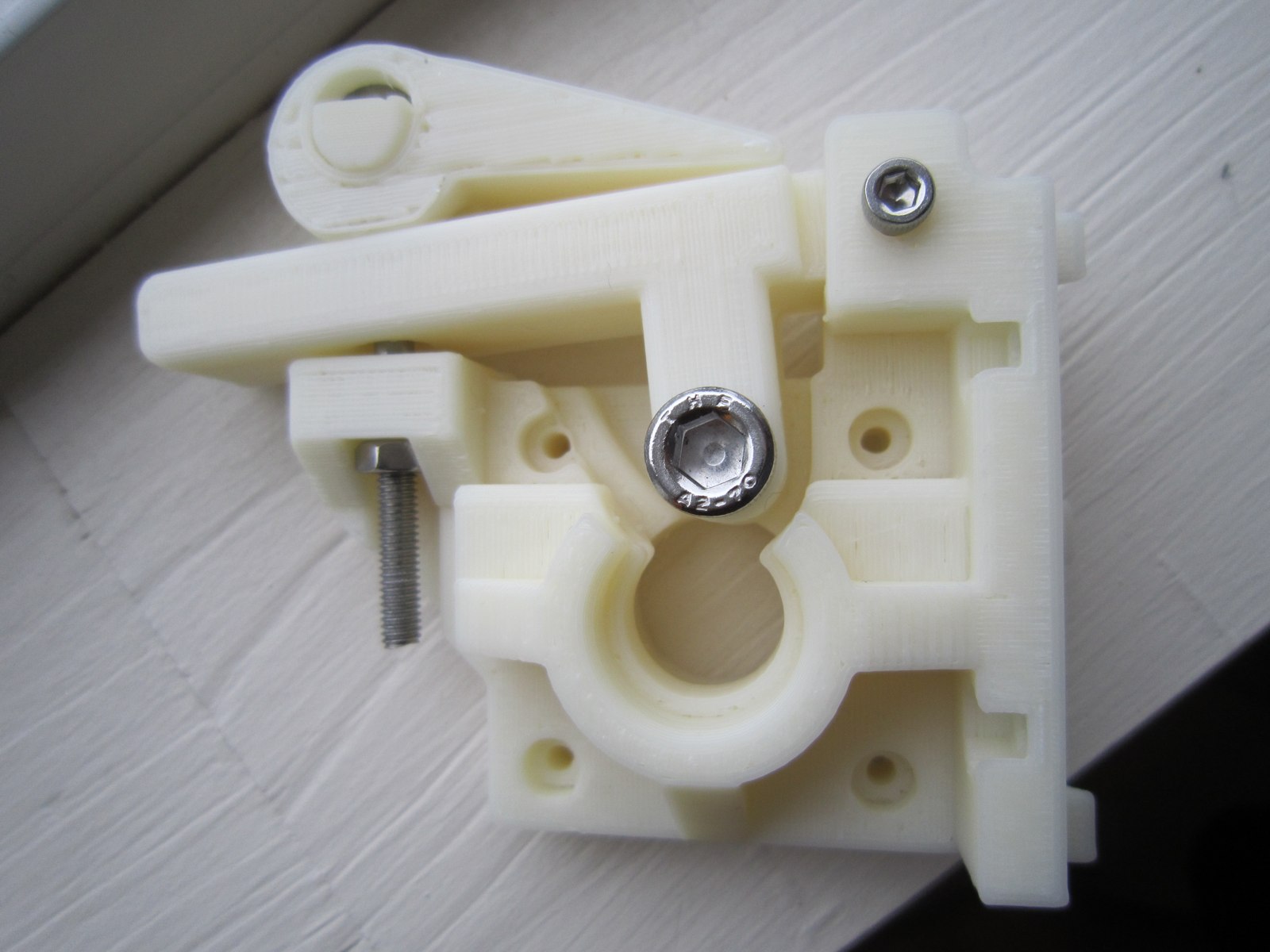
Hard-to-find clips, knobs and small housings, made to your measurements.
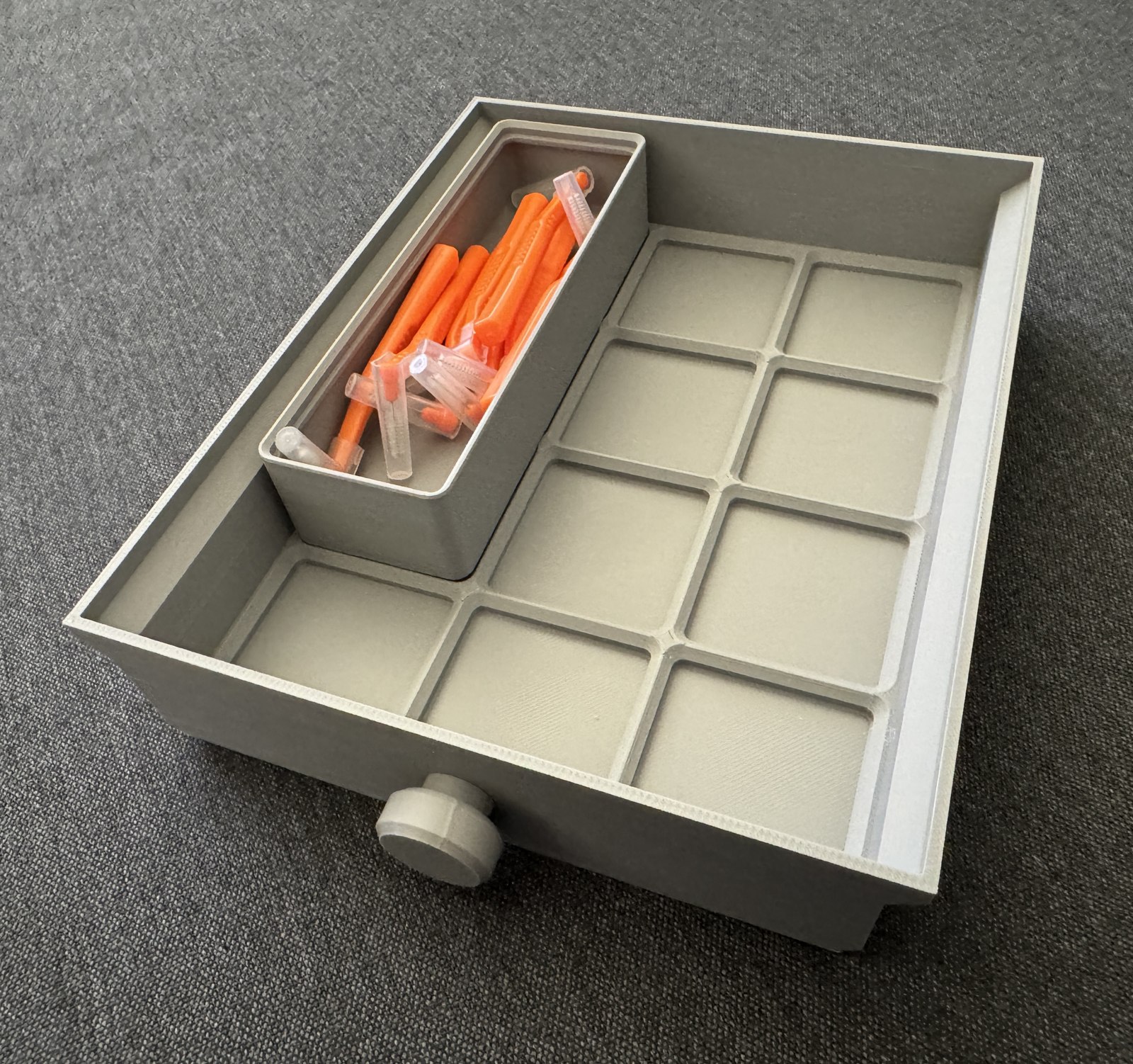
Drawer inserts, small-parts trays and purpose-built workshop storage.
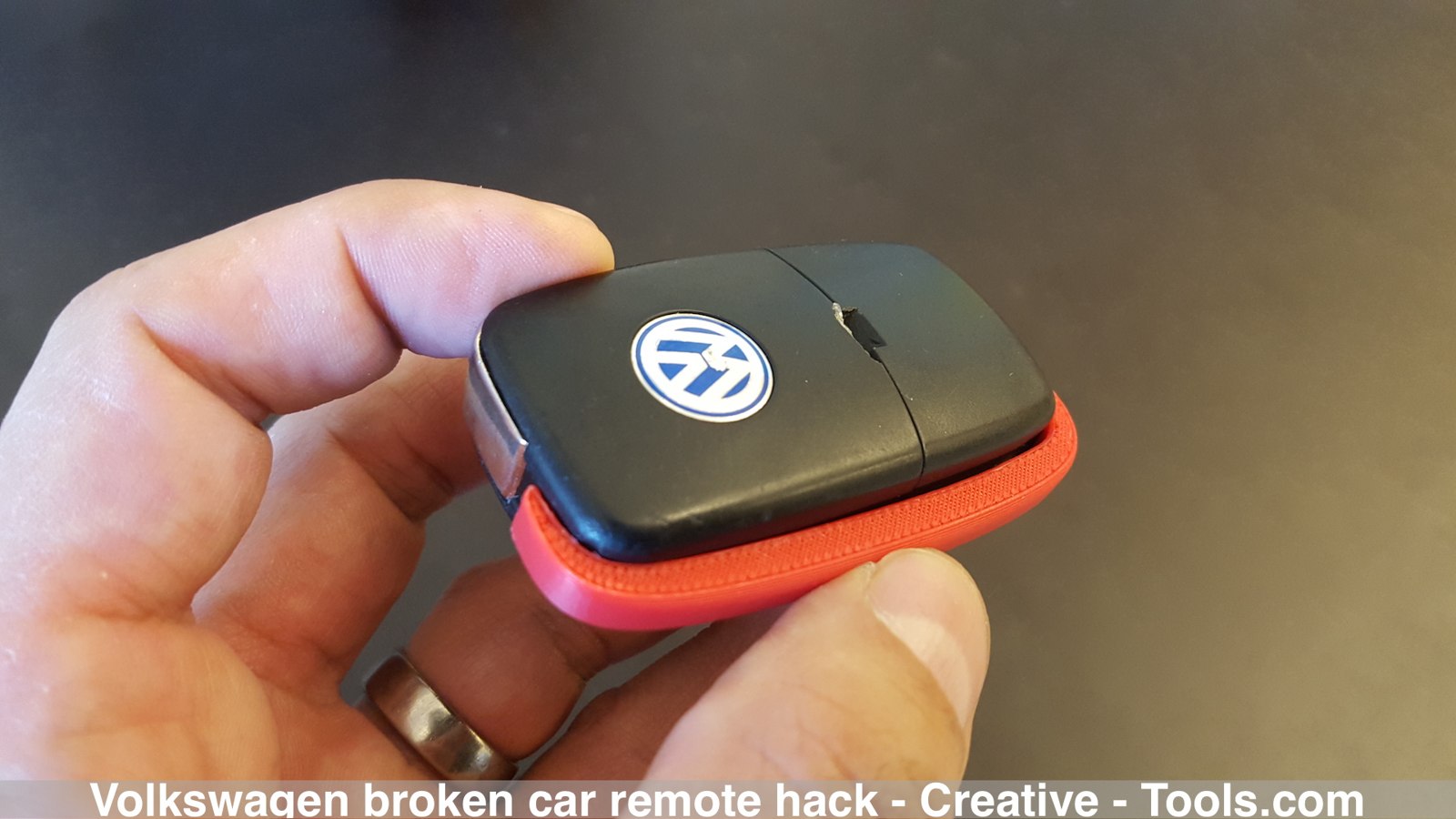
Custom-fit covers and concept housings for electronics. No safety certification.
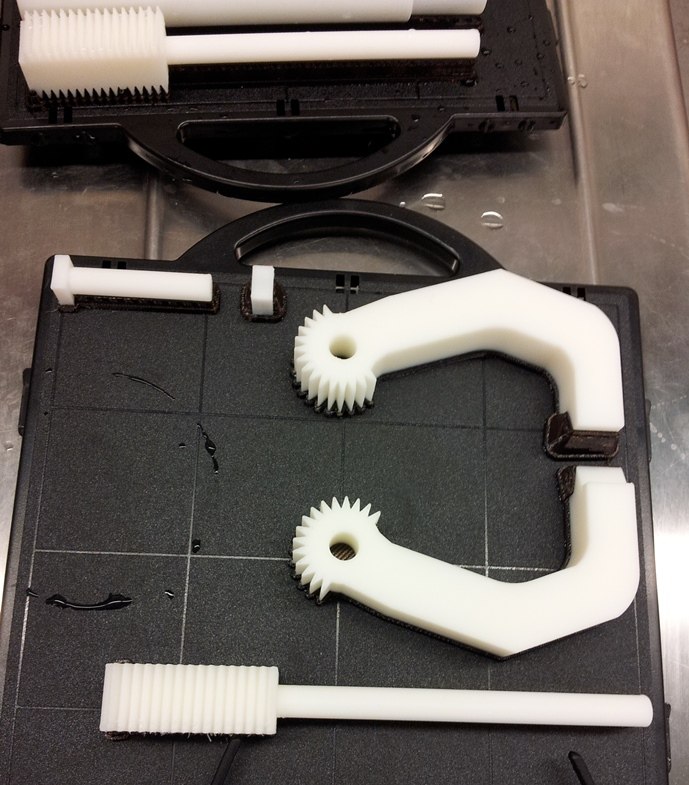
Test movement, assembly and component fit with iterative physical models.
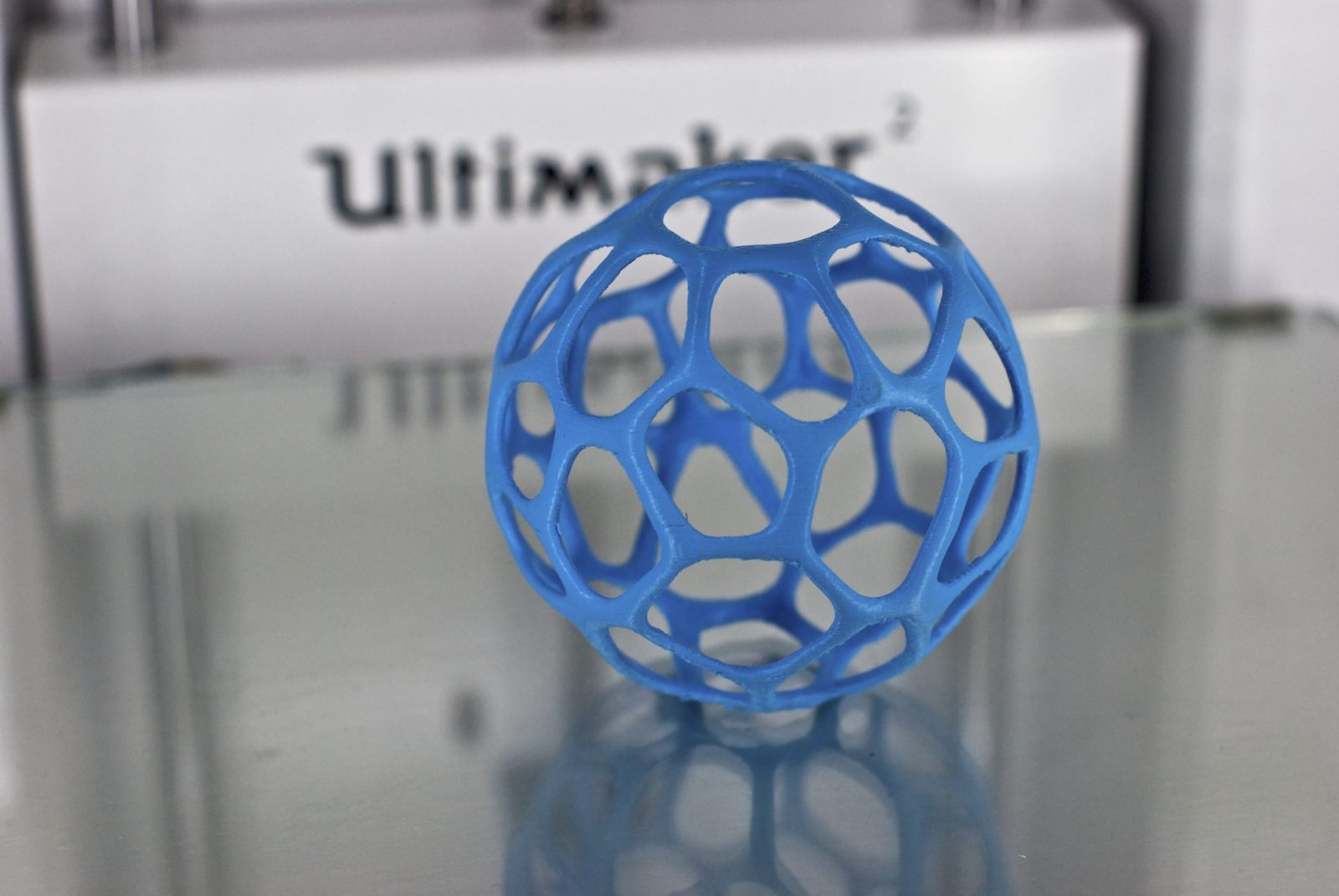
Interlocking forms and display models with carefully chosen print orientation.
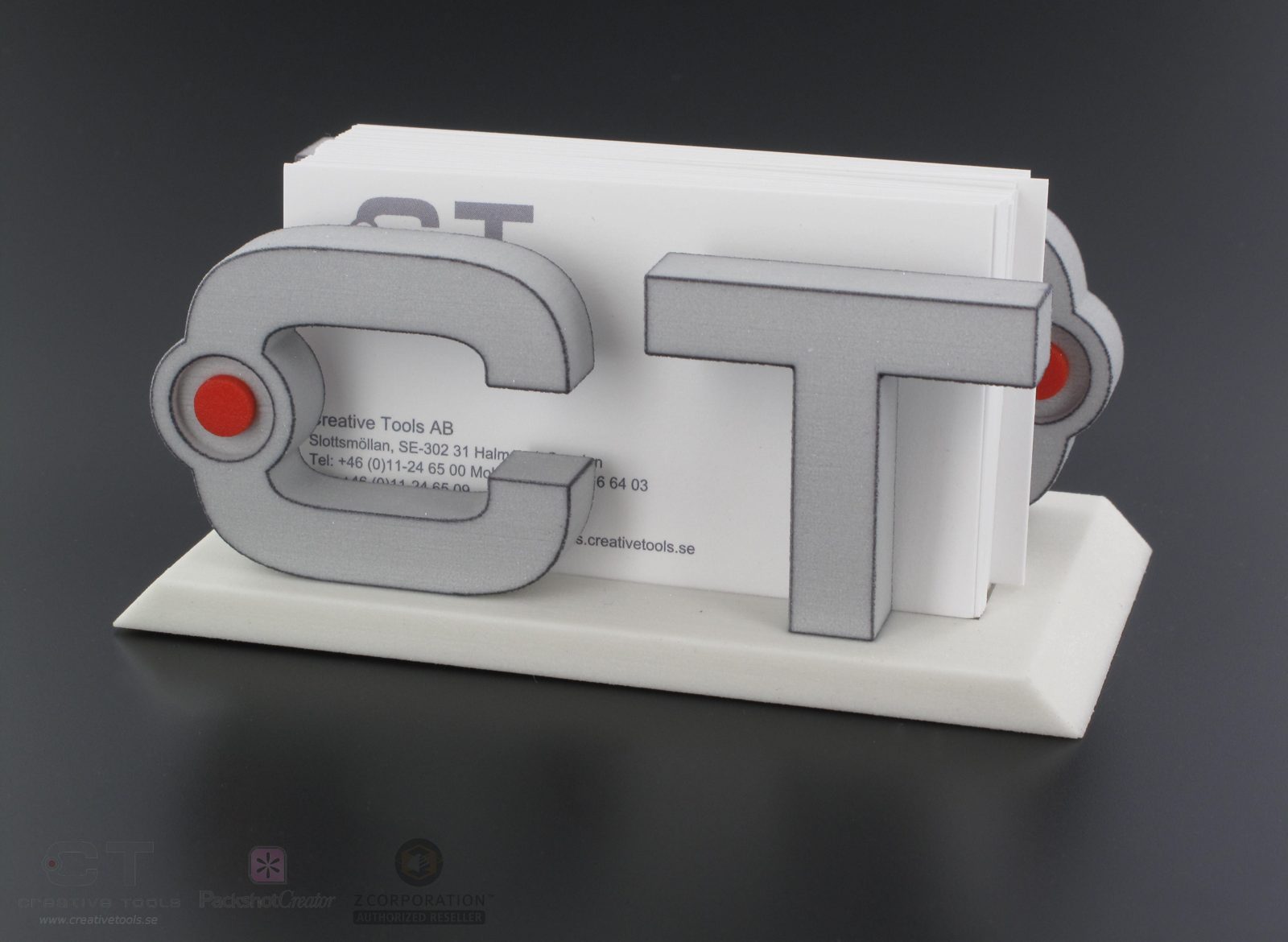
Personalized holders and low-volume practical objects designed around your space.
These are credited third-party photos and illustrative generated images, not completed Print Foundry projects or a product catalogue. Every print is a prototype or non-safety-critical functional part, not load-bearing. Designs are reviewed individually; not every pictured mechanism suits every use. Image credits & licences ↗
3D printing makes sense when customization, availability or a small quantity matters more than mass-production pricing.
An unusual hose diameter or an awkward space shouldn't stop a project. Adapt the design to the actual problem.
A small discontinued cover or knob can be worth recreating instead of replacing an otherwise useful item.
No dedicated mould needed. Make a prototype or a short run, then change the design as you learn.
Check fit and assembly with a physical model. Agreed revisions are quoted, not hidden in a surprise invoice.
Why this works: Formlabs: custom, low-volume tools & shorter lead times · A real-world adapter example. Results depend on the part and process; no speed or savings guarantee.
Detailed visual models, desk organizers and fit-check prototypes. Not for hot environments.
A useful starting point for practical indoor adapters, covers and enclosures. Fit and exposure still need review.
For applications needing more heat tolerance; ASA adds UV resistance. Ventilation and part testing are essential.
Flexible bumpers, sleeves and grips. Hardness and feed method are chosen per material; not all TPU is AMS-compatible.
Special-order nylon and fibre-filled options for stiff, dimension-sensitive prototypes. Drying, nozzle size and validation required.